
Abhayagiri Dagoba
Dating back to the 1st century BC, this colossal dagoba was the ceremonial focus of the 5000-strong Abhayagiri Monastery.
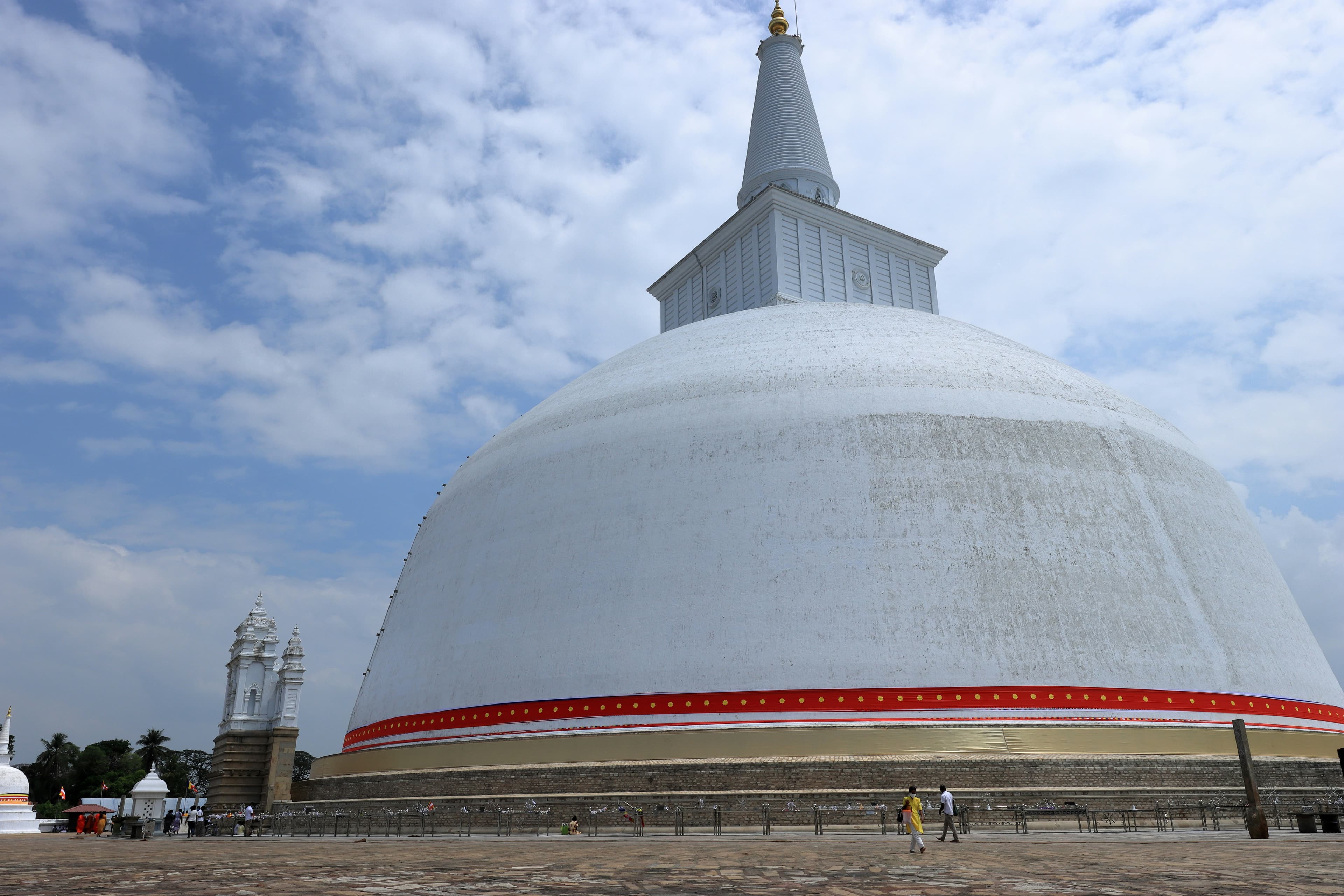
The ruins of Anuradhapura are one of South Asia’s most evocative sights. The sprawling complex contains a rich collection of archaeological and architectural wonders: enormous dagobas, ancient pools and crumbling temples, built during Anuradhapura’s thousand years of rule over Sri Lanka.
Discover the historic landmarks, cultural attractions and hidden gems that make Anuradhapura special.
Dating back to the 1st century BC, this colossal dagoba was the ceremonial focus of the 5000-strong Abhayagiri Monastery.
The ruins of Anuradhapura contain enormous dagobas, ancient pools, temples and monastery complexes built during more than a thousand years as the capital of Sri Lanka.
This magnificent white dagoba is surrounded by a wall decorated with a frieze of elephants. Commissioned by King Dutugemunu, it became one of the most important monuments of ancient Sri Lanka.
The sacred bodhi tree is central to Anuradhapura in both a spiritual and physical sense. It was grown from a cutting brought from Bodhgaya in India.
This charming rock temple dates from the reign of Devanampiya Tissa and is set around a lovely lotus pond.
This ruined residential complex for monks is notable for having one of the finest carved moonstones in Sri Lanka.
The 160-hectare Tissa Wewa is the southern tank in the old city and provides a quieter view of the ancient landscape.
A British colonial-era building provides a venue for treasures found at Jetavanarama, including carved ivory and ancient objects.